

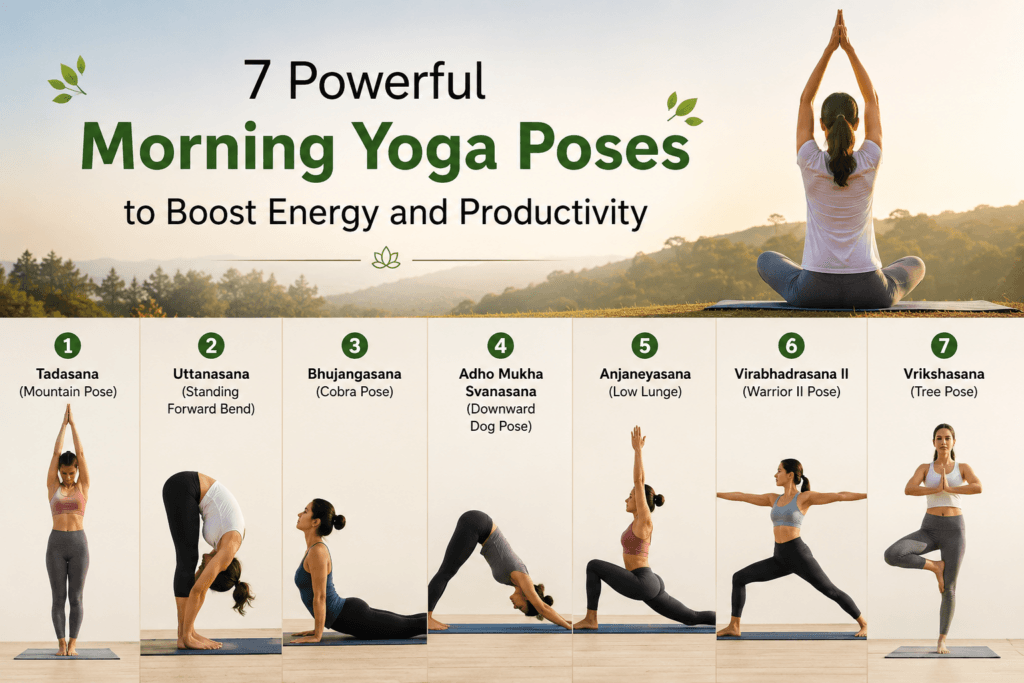
The Importance of Morning Yoga
Starting your day with yoga can be a transformative experience, setting a positive tone for the hours ahead. Morning yoga isn’t just about the physical benefits; it’s about creating a space for mental clarity and emotional balance. By integrating a morning yoga routine, you invite a sense of calm and focus that can shape the rest of your day. Imagine waking up, stretching your body, and breathing deeply, allowing yourself to transition smoothly from the restful state of sleep to the active mode of your daily tasks. This practice can significantly influence your mood and productivity throughout the day.
In our fast-paced lives, it’s easy to neglect the importance of self-care, often prioritizing work and other responsibilities over our own well-being. However, dedicating just a few minutes each morning to yoga can be a game-changer. It’s a moment of solitude and self-reflection, where you can center yourself before diving into the hustle and bustle. This quiet time allows you to set intentions for the day, fostering a proactive and positive mindset. The physical activity involved in yoga also releases endorphins, the body’s natural feel-good hormones, which can instantly lift your spirits and energize you for the tasks ahead.
Moreover, morning yoga can help in resetting your internal clock, ensuring that your body feels more awake and alert. The gentle stretching and mindful breathing can shake off any grogginess from sleep, making you more attentive and ready to face the day. By incorporating yoga into your morning routine, you create a ritual that nurtures your body, mind, and spirit, setting a strong foundation for overall well-being and success.
“Start your day with vibrant energy! Discover 7 powerful morning yoga poses designed to boost your productivity and elevate your mood throughout the day.“
How Yoga Boosts Energy and Productivity
Yoga is a holistic practice that integrates physical postures, breath control, and meditation, all of which contribute to increased energy levels and enhanced productivity. The physical postures, or asanas, help in improving blood circulation, which in turn ensures a steady supply of oxygen to the brain and other vital organs. This increased oxygenation can boost cognitive functions, including memory, concentration, and creativity, making it easier to tackle complex tasks and think more clearly. Additionally, the physical exertion involved in yoga helps in releasing built-up tension and stress, leaving you feeling more relaxed and focused.
Breath control, or pranayama, is another crucial aspect of yoga that plays a significant role in boosting energy levels. Deep, controlled breathing techniques increase the intake of oxygen and improve the efficiency of the respiratory system. This not only enhances physical stamina but also promotes mental clarity. Proper breathing techniques can calm the nervous system, reducing anxiety and stress, which are often major roadblocks to productivity. By mastering pranayama, you can learn to manage your energy levels more effectively, ensuring that you remain alert and composed throughout the day.
Meditation, often incorporated into yoga practices, helps in cultivating mindfulness and presence. This mental discipline can significantly improve your ability to focus and stay on task. By training your mind to be fully present, you can reduce distractions and enhance your productivity. Meditation also fosters a sense of inner peace and balance, which can make you more resilient to the challenges and pressures of daily life. Overall, the combined benefits of physical movement, controlled breathing, and mindfulness make yoga an incredibly effective tool for boosting energy and productivity.
Overview of the 7 Powerful Morning Yoga Poses
In this section, we will explore seven powerful yoga poses that are particularly effective for energizing your mornings and boosting productivity. These poses are designed to stretch and strengthen different parts of your body, improve flexibility, and promote mental clarity. Each pose has unique benefits and can be easily incorporated into your morning routine. By practicing these poses regularly, you can cultivate a sense of vitality and focus that will carry you through the day.
The poses we will cover include Sun Salutation (Surya Namaskar), Warrior I (Virabhadrasana I), Tree Pose (Vrksasana), Downward-Facing Dog (Adho Mukha Svanasana), Cat-Cow Stretch (Marjaryasana-Bitilasana), and Bridge Pose (Setu Bandhasana). These poses are suitable for practitioners of all levels, from beginners to advanced. They are designed to target different muscle groups, improve balance and coordination, and enhance overall well-being. Whether you have a few minutes or a full hour to dedicate to your practice, these poses can be adjusted to fit your schedule and needs.
Each pose will be described in detail, with step-by-step instructions on how to perform them correctly. We will also discuss the specific benefits of each pose and how they contribute to increased energy and productivity. By the end of this section, you will have a comprehensive understanding of these powerful morning yoga poses and be equipped to incorporate them into your daily routine for optimal results.
Pose 1: Sun Salutation (Surya Namaskar)
Sun Salutation, or Surya Namaskar, is a dynamic sequence of twelve poses that flow smoothly from one to the next. This sequence is often considered a complete workout in itself, as it stretches and strengthens all the major muscle groups. Sun Salutation is traditionally performed facing the sunrise, symbolizing the greeting of a new day and the harnessing of solar energy. This practice not only invigorates the body but also calms the mind, making it an excellent way to start the day.
To perform Sun Salutation, begin by standing at the front of your mat with your feet together and your hands in prayer position at your heart. Inhale deeply and raise your arms overhead, stretching your entire body upward. As you exhale, bend forward from the hips, bringing your hands to the floor or your shins. Inhale again and lift your torso halfway up, keeping your back flat. Exhale and step your feet back into a plank position, then lower your body to the floor. Inhale and lift your chest into a cobra or upward-facing dog, then exhale and push back into downward-facing dog. Hold this position for a few breaths, then step or jump your feet forward to your hands. Inhale and lift your torso halfway up again, then exhale and fold forward. Finally, inhale and rise back up to standing, bringing your hands back to prayer position.
The benefits of Sun Salutation are numerous. This sequence improves flexibility, balance, and strength while also promoting cardiovascular health. The continuous flow of movements increases blood circulation and warms up the muscles, preparing your body for the day ahead. Additionally, the mindful breathing involved in Sun Salutation helps to calm the nervous system and reduce stress. By practicing this sequence regularly, you can enhance your physical and mental well-being, making you more energized and productive throughout the day.
Pose 2: Warrior I (Virabhadrasana I)
Warrior I, or Virabhadrasana I, is a powerful standing pose that builds strength and stability in the legs, core, and upper body. This pose is named after the mythical warrior Virabhadra and symbolizes courage and determination. Practicing Warrior I can help you develop a strong sense of focus and confidence, which are essential qualities for productivity and success.
To perform Warrior I, start by standing at the front of your mat with your feet together. Step your left foot back about 3-4 feet and turn it out at a 45-degree angle. Bend your right knee to a 90-degree angle, keeping your knee directly over your ankle. Your hips should face forward, and your torso should be upright. Inhale and raise your arms overhead, bringing your palms together or keeping them shoulder-width apart. Reach upward through your fingertips, lengthening your spine and lifting your chest. Hold this position for a few breaths, then switch sides and repeat.
Warrior I offers several benefits for both the body and mind. Physically, this pose strengthens the legs, glutes, and core while also stretching the hips, chest, and shoulders. The alignment and balance required in Warrior I improve proprioception and coordination, making you more aware of your body’s movements. Mentally, the strong and grounded posture of Warrior I fosters a sense of empowerment and focus. By practicing this pose regularly, you can cultivate the mental resilience and physical stamina needed to tackle the challenges of your day with confidence and determination.
Pose 3: Tree Pose (Vrksasana)
Tree Pose, or Vrksasana, is a balancing pose that enhances stability and focus. This pose symbolizes growth and grounding, much like a tree rooted firmly in the earth. Practicing Tree Pose can help you develop a sense of balance and centeredness, which are crucial for maintaining productivity and composure throughout the day.
To perform Tree Pose, begin by standing tall with your feet together and your arms at your sides. Shift your weight onto your left foot, and slowly lift your right foot off the ground. Bend your right knee and place the sole of your right foot against your left inner thigh, calf, or ankle, depending on your level of flexibility. Avoid placing your foot directly on your knee. Once you have found your balance, bring your hands to prayer position at your heart or raise them overhead, reaching towards the sky. Focus your gaze on a fixed point in front of you to help maintain your balance. Hold this position for a few breaths, then switch sides and repeat.
Tree Pose offers numerous benefits for both the body and mind. Physically, this pose strengthens the legs, ankles, and core while also improving balance and coordination. The act of balancing on one leg requires focus and concentration, which can help sharpen your mental faculties and enhance your ability to stay on task. Mentally, Tree Pose fosters a sense of calm and stability, helping you feel more grounded and centered. By incorporating Tree Pose into your morning routine, you can cultivate a sense of inner balance and clarity that will support you throughout the day.
Pose 4: Downward-Facing Dog (Adho Mukha Svanasana)
Downward-Facing Dog, or Adho Mukha Svanasana, is a foundational pose in yoga that offers a full-body stretch and rejuvenation. This pose is often included in yoga sequences as a transitional posture, but it can also be practiced on its own for its numerous benefits. Downward-Facing Dog helps to lengthen and strengthen the entire body, making it an excellent pose for boosting energy and productivity.
To perform Downward-Facing Dog, start on your hands and knees with your wrists directly under your shoulders and your knees under your hips. Spread your fingers wide and press firmly into the mat. Tuck your toes under and lift your hips towards the ceiling, straightening your legs and forming an inverted V shape with your body. Keep your head between your arms and your ears in line with your upper arms. Press your heels towards the floor, though they may not touch the ground. Hold this position for a few breaths, focusing on lengthening your spine and engaging your core.
The benefits of Downward-Facing Dog are extensive. This pose stretches the hamstrings, calves, and spine while also strengthening the arms, shoulders, and legs. The inversion aspect of the pose increases blood flow to the brain, promoting mental clarity and alertness. Additionally, Downward-Facing Dog helps to relieve tension and stress, making it easier to maintain focus and productivity throughout the day. By practicing this pose regularly, you can enhance your physical flexibility and strength while also boosting your mental acuity and overall well-being.
Pose 5: Cat-Cow Stretch (Marjaryasana-Bitilasana)
Cat-Cow Stretch, or Marjaryasana-Bitilasana, is a gentle, flowing sequence that warms up the spine and promotes flexibility. This pose is particularly beneficial for releasing tension in the back and neck, making it an excellent addition to your morning routine. The rhythmic movement of Cat-Cow Stretch also helps to synchronize breath with movement, fostering a sense of calm and relaxation.
To perform Cat-Cow Stretch, begin on your hands and knees with your wrists directly under your shoulders and your knees under your hips. Inhale and arch your back, lifting your tailbone and head towards the ceiling. This is the Cow Pose (Bitilasana). As you exhale, round your spine, tucking your chin towards your chest and drawing your belly button towards your spine. This is the Cat Pose (Marjaryasana). Continue to flow between these two poses, coordinating your breath with your movements. Inhale as you move into Cow Pose and exhale as you move into Cat Pose.
The benefits of Cat-Cow Stretch are numerous. This sequence helps to improve spinal mobility and flexibility, which can alleviate back pain and improve posture. The gentle movement also massages the internal organs, promoting digestion and circulation. Additionally, the synchronized breath and movement create a meditative quality, helping to calm the mind and reduce stress. By incorporating Cat-Cow Stretch into your morning routine, you can start your day with a supple spine and a relaxed mind, setting the stage for increased energy and productivity.
Pose 6: Bridge Pose (Setu Bandhasana)
Bridge Pose, or Setu Bandhasana, is a versatile backbend that strengthens the back, glutes, and legs while also opening the chest and shoulders. This pose is particularly beneficial for improving posture and relieving tension in the back and neck. Practicing Bridge Pose in the morning can help to energize the body and promote a sense of openness and vitality.
To perform Bridge Pose, begin by lying on your back with your knees bent and your feet flat on the floor, hip-width apart. Place your arms at your sides with your palms facing down. As you inhale, press into your feet and lift your hips towards the ceiling, rolling your spine off the floor one vertebra at a time. Keep your thighs parallel and your knees directly over your ankles. Clasp your hands under your back and press your arms into the floor to lift your chest higher. Hold this position for a few breaths, then slowly lower your hips back to the floor on an exhale.
The benefits of Bridge Pose are extensive. This pose strengthens the back, glutes, and legs while also stretching the chest, shoulders, and spine. The backbend aspect of the pose helps to counteract the effects of prolonged sitting and poor posture, making it an excellent addition to your morning routine. Additionally, Bridge Pose stimulates the thyroid gland, which can help to regulate metabolism and energy levels. By practicing this pose regularly, you can enhance your physical strength and flexibility while also promoting a sense of vitality and well-being.
Tips for Incorporating Yoga into Your Morning Routine
Incorporating yoga into your morning routine can be a rewarding and transformative practice, but it requires consistency and dedication. Here are some tips to help you establish and maintain a morning yoga routine that will boost your energy and productivity.
First, set a specific time for your yoga practice each morning. Consistency is key to forming a habit, so choose a time that works best for your schedule and stick to it. Whether it’s right after you wake up or after a quick shower, having a designated time for yoga will help you make it a regular part of your routine. Setting an alarm or using a reminder app can also help you stay on track and ensure that you don’t skip your practice.
Second, create a dedicated space for your yoga practice. Having a designated area for yoga can help you get into the right mindset and make your practice more enjoyable. Choose a quiet, clutter-free space where you can roll out your mat and practice without distractions. You can also personalize your space with candles, incense, or calming music to create a relaxing atmosphere. Having a dedicated space will make it easier to commit to your practice and make it a regular part of your morning routine.
Lastly, be patient and kind to yourself as you establish your morning yoga routine. It’s normal to have days when you feel less motivated or find it challenging to fit in your practice. Remember that yoga is a journey, and it’s important to listen to your body and honor your needs. If you miss a day or two, don’t be discouraged. Simply get back on track and continue to prioritize your well-being. Over time, you will find that your morning yoga practice becomes a cherished part of your day, providing you with the energy and focus needed to tackle whatever comes your way.
In conclusion, incorporating yoga into your morning routine can have profound benefits for your energy levels and productivity. By practicing the seven powerful poses outlined in this article, you can start your day with a sense of vitality and focus that will carry you through the day. Remember to be consistent, create a dedicated space, and be patient with yourself as you establish your practice. With dedication and commitment, you can transform your mornings and enhance your overall well-being.